Hand thrown from white stoneware, bisque fired and then decorated using the ancient Baltic technique of Obvara this salt pig is perfect for sitting somewhere near the hob for easy access while cooking. If I had managed to persuade my husband to become a wood carver I would offer a beautiful little wooden salt spoon to accompany this, alas I failed so I hope perhaps you have one of your own.
Obvara is an unusual technique which involves using a raku kiln to heat bisque fired ceramic ware to around 800 degrees celsius before plunging them into a fermented batter followed by a cooling bath of water. This creates an interesting and unique surface which is decorative rather than functional so these pots are not waterproof or suitable for food or drink. The surface is coated in a carnuba/beeswax mix to provide a little protection against drips or splashes.
Hand thrown from white stoneware, bisque fired and then decorated using the ancient Baltic technique of Obvara this salt pig is perfect for sitting somewhere near the hob for easy access while cooking. If I had managed to persuade my husband to become a wood carver I would offer a beautiful little wooden salt spoon to accompany this, alas I failed so I hope perhaps you have one of your own.
Obvara is an unusual technique which involves using a raku kiln to heat bisque fired ceramic ware to around 800 degrees celsius before plunging them into a fermented batter followed by a cooling bath of water. This creates an interesting and unique surface which is decorative rather than functional so these pots are not waterproof or suitable for food or drink. The surface is coated in a carnuba/beeswax mix to provide a little protection against drips or splashes.

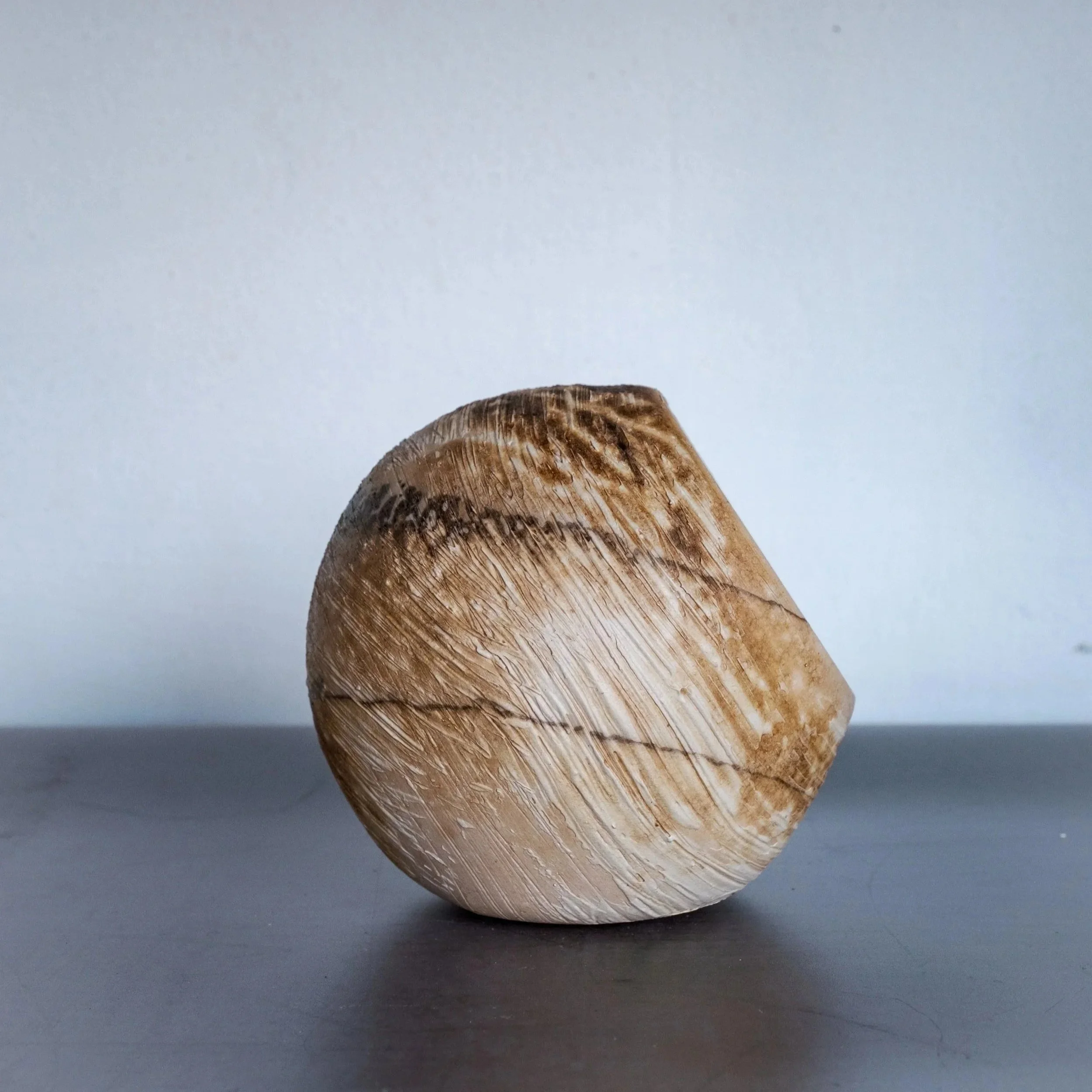 Image 1 of 6
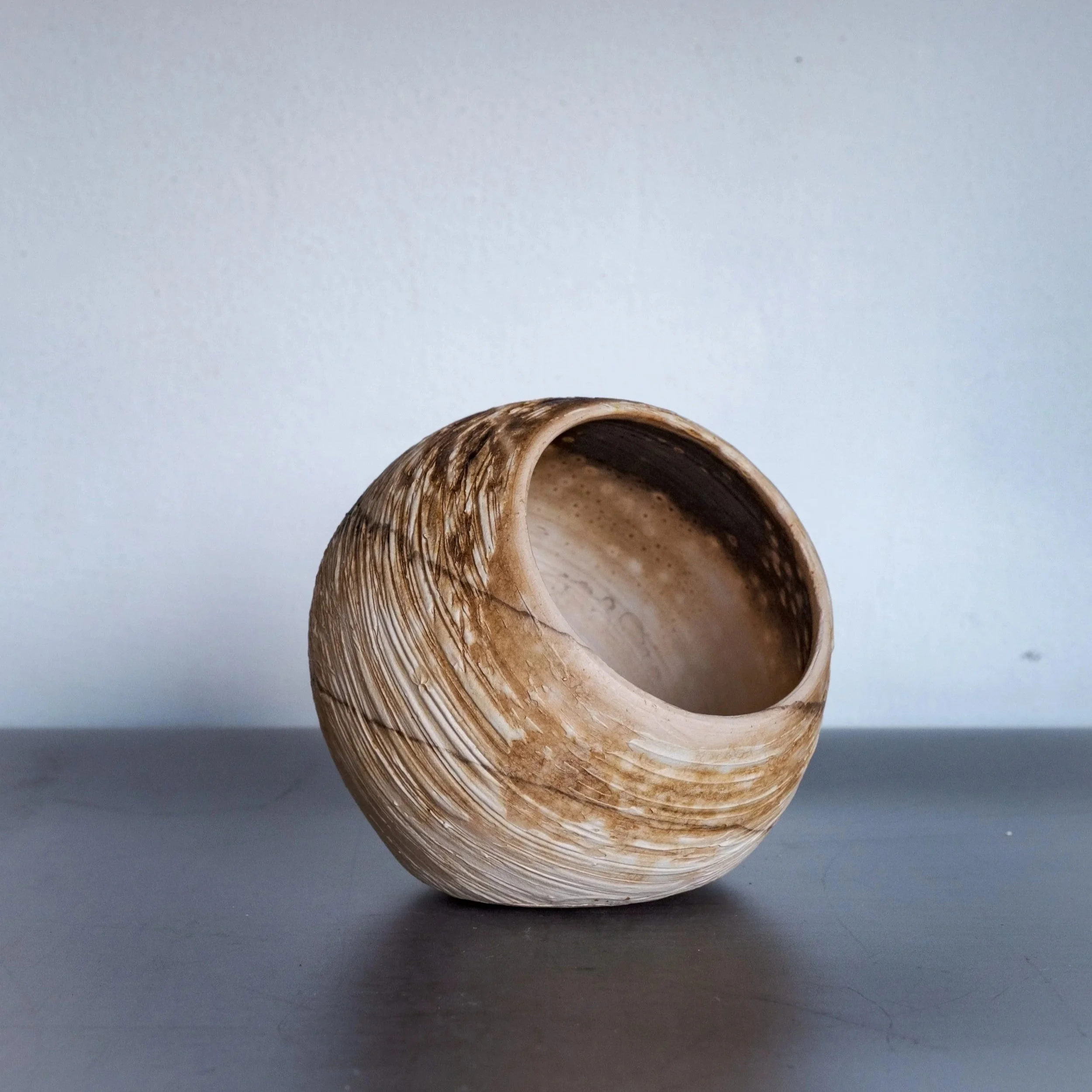 Image 2 of 6
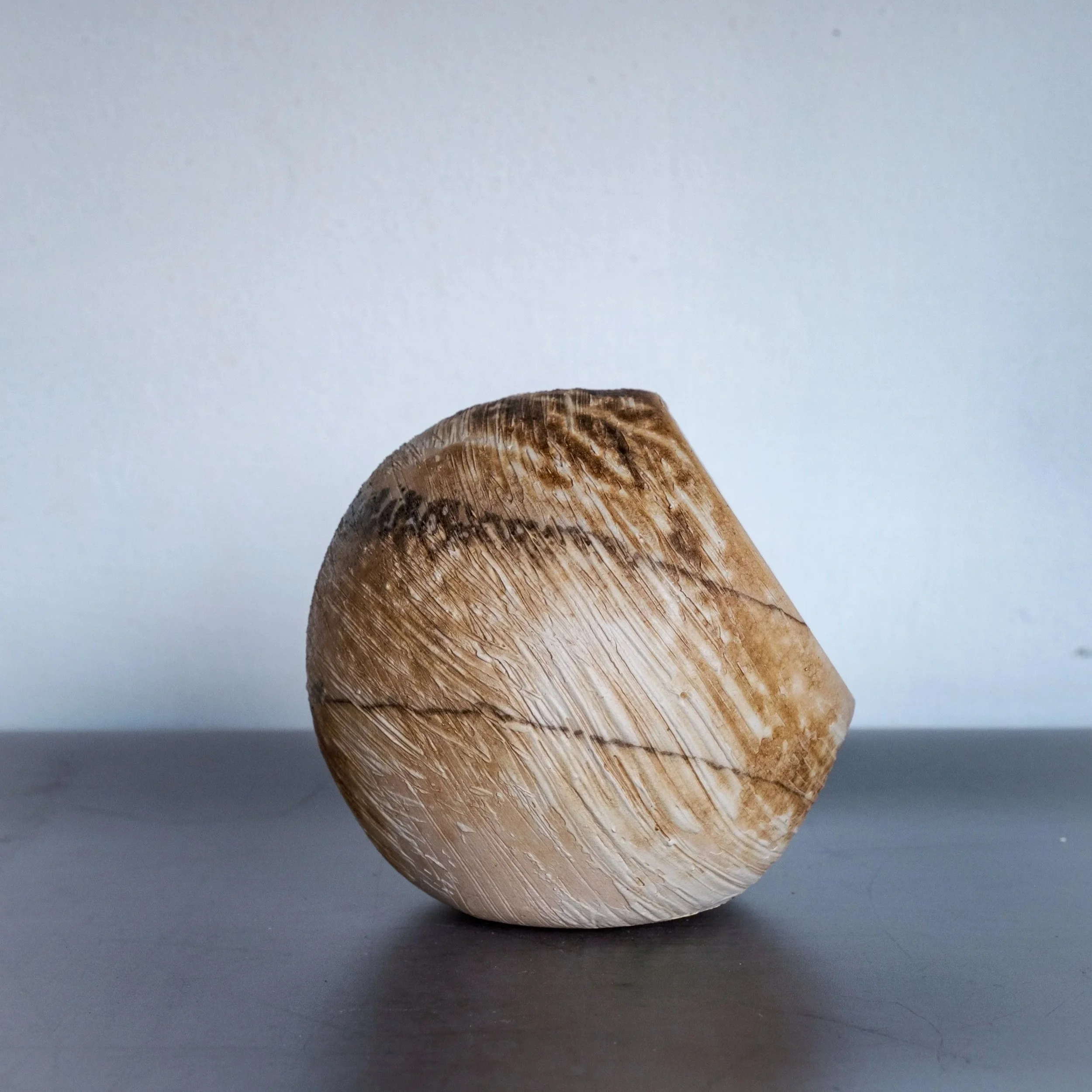 Image 3 of 6
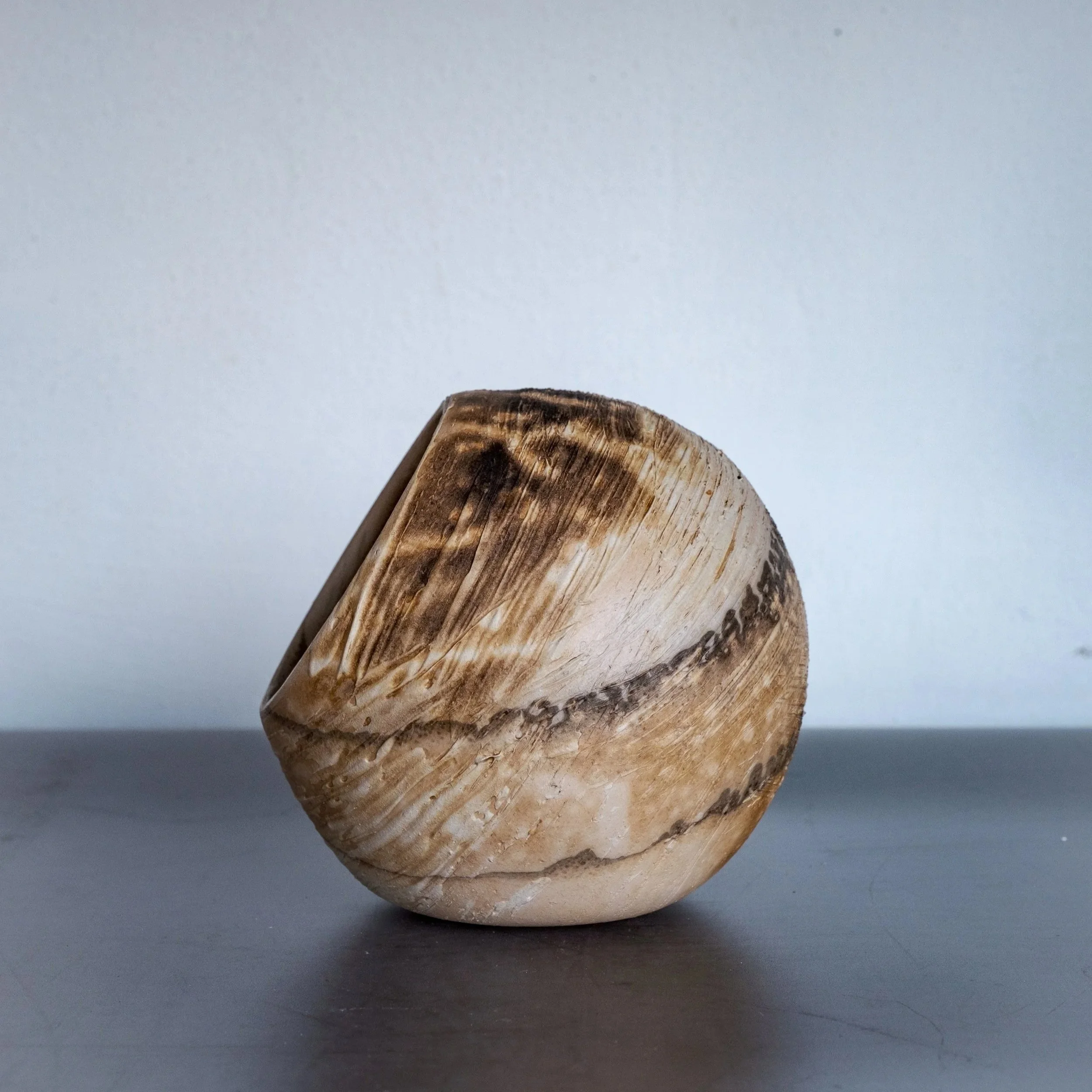 Image 4 of 6
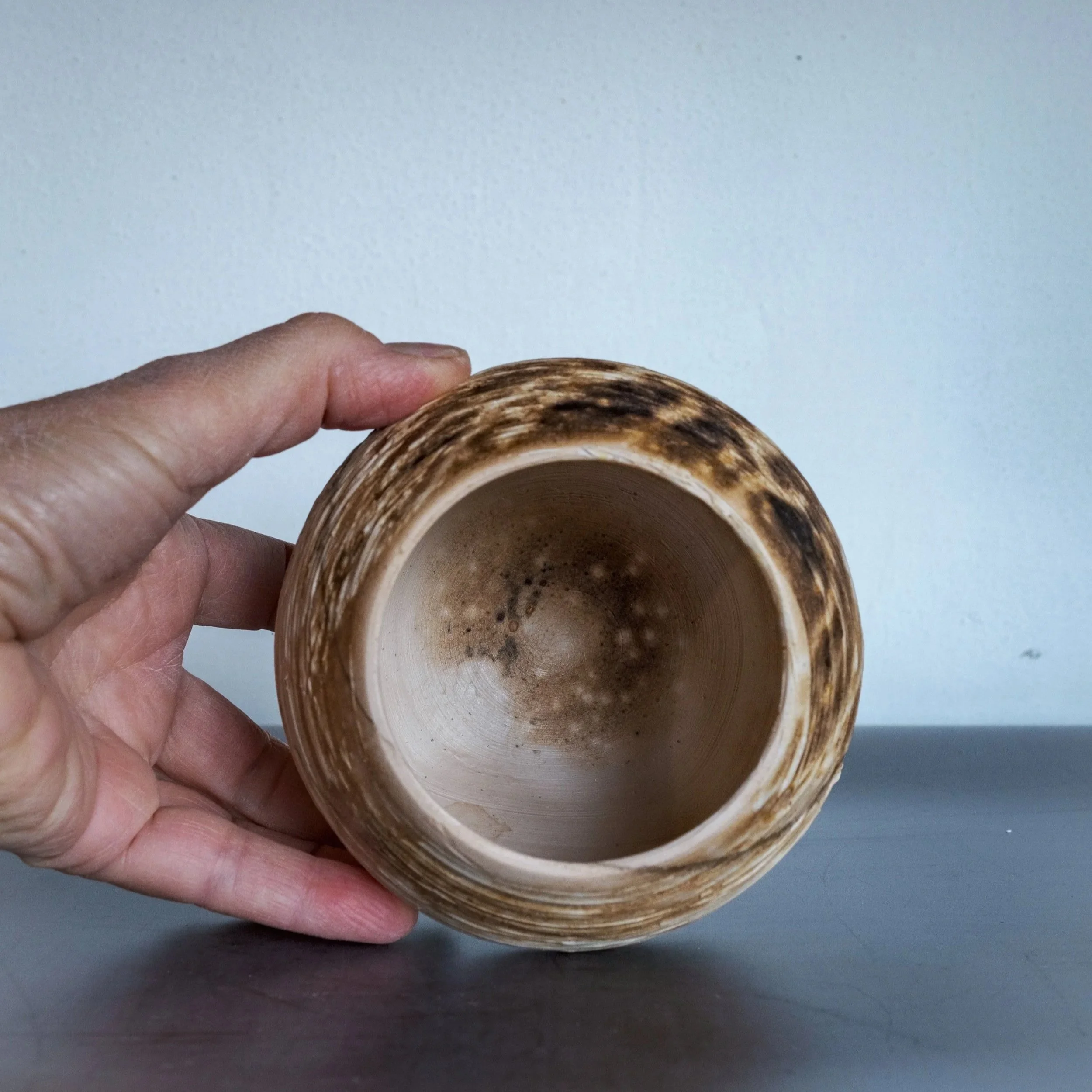 Image 5 of 6
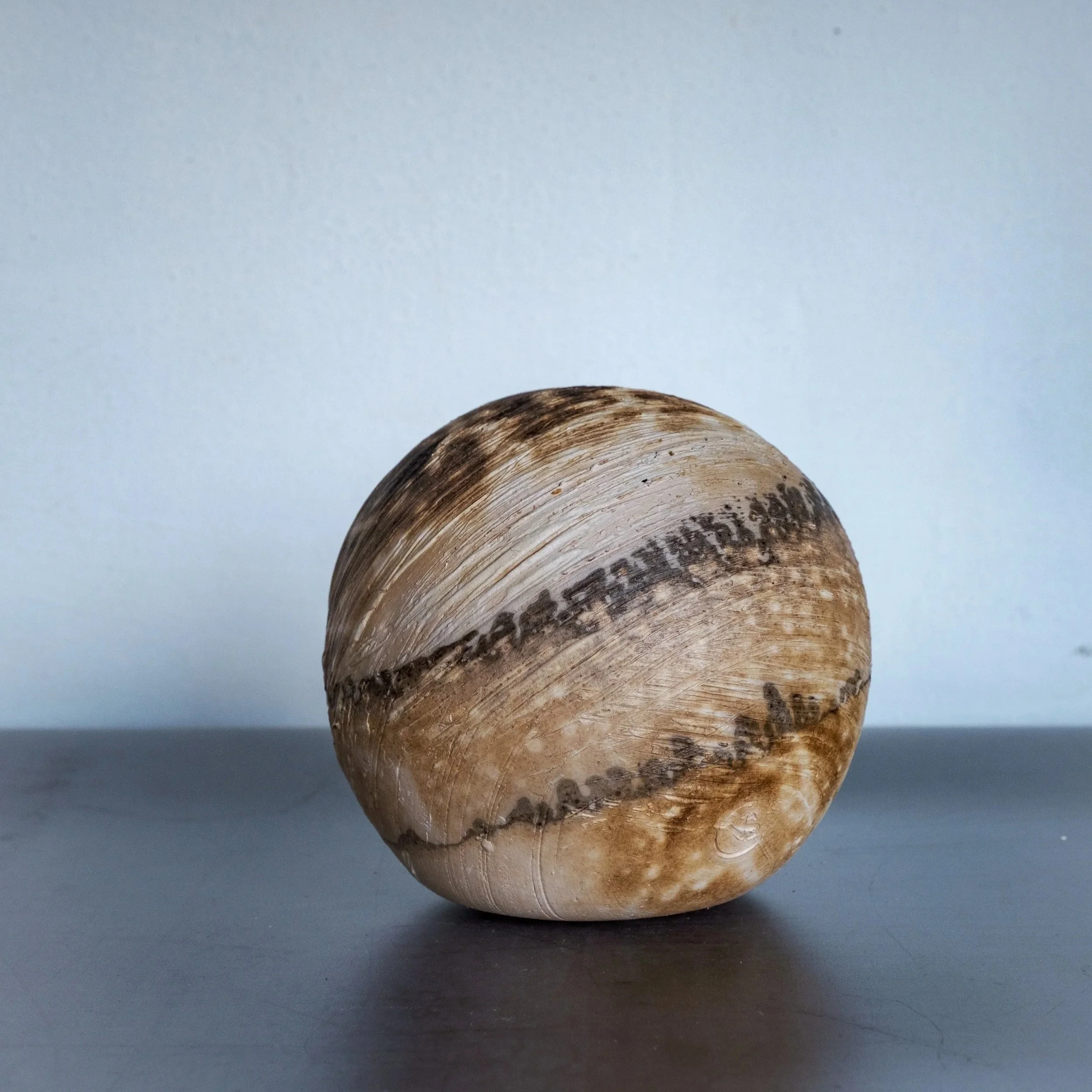 Image 6 of 6